

Wolfgang Gern (Autor / Autorin)
Um Menschenwürde und Gerechtigkeit willen
Ökumenische und diakonische Impulse. Mit einem Geleitwort von Heinrich Bedford-Strohm
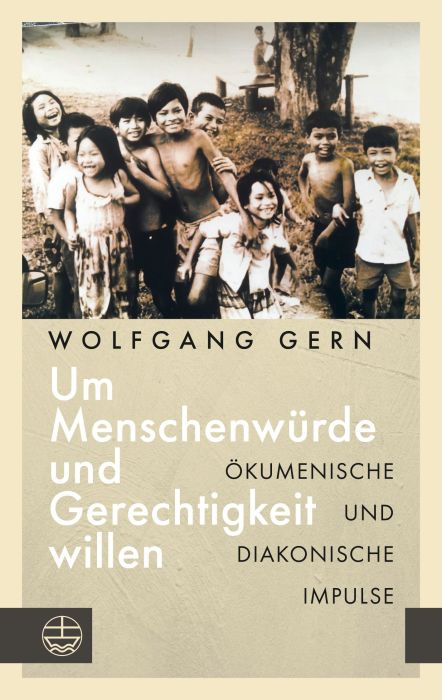
Der Theologe und langjährige hessische Diakoniechef Wolfgang Gern entfaltet in Vorträgen und Aufsätzen, wie mitleidenschaftlich interkulturelle Theologien und die Ökumenische Bewegung als Ganzes verbunden sind mit Leidenserfahrungen im Widerstand und mit dem hoffnungsvollen Einsatz für Menschenwürde, menschliche Entwicklung und Gerechtigkeit. Dabei fließen auch seine Erfahrungen durch Gastdozenturen in Ruanda und in Südostasien ein.
Gern hebt hervor, dass in der weltweiten Ökumene Diakonie als Sprache der Kirche besonders verstanden wird. Seine Impulse mahnen, Ausgrenzung, Diskriminierung und Entsolidarisierung entgegenzuwirken und sich den »Blick von unten« zu bewahren. Dazu gehört, Integration zu gestalten, das interkulturelle Zusammenleben in der Einwanderungsgesellschaft zu fördern und Unterschiede und Vielfalt als Chance und Reichtum wahrzunehmen.
[For the Sake of Human Dignity and Justice. Ecumenical and Diaconal Impulses. With a Preface by Heinrich Bedford-Strohm]
In lectures and essays, theologian and long-standing head of the Hessian Diakonie, Wolfgang Gern, explains how intercultural theologies and the ecumenical movement as a whole are passionately linked to experiences of suffering in resistance and to the hopeful commitment to human dignity, human development and justice. His experiences as a visiting lecturer in Rwanda and in Southeast Asia also feed into this.
Gern emphasises that in global ecumenism, social welfare work is understood as the language of the church. His ideas urge us to counteract exclusion, discrimination and a lack of solidarity and to maintain a »view from below«. This includes shaping integration, promoting intercultural coexistence in immigrant societies and perceiving differences and diversity as opportunities and assets.
Gern hebt hervor, dass in der weltweiten Ökumene Diakonie als Sprache der Kirche besonders verstanden wird. Seine Impulse mahnen, Ausgrenzung, Diskriminierung und Entsolidarisierung entgegenzuwirken und sich den »Blick von unten« zu bewahren. Dazu gehört, Integration zu gestalten, das interkulturelle Zusammenleben in der Einwanderungsgesellschaft zu fördern und Unterschiede und Vielfalt als Chance und Reichtum wahrzunehmen.
[For the Sake of Human Dignity and Justice. Ecumenical and Diaconal Impulses. With a Preface by Heinrich Bedford-Strohm]
In lectures and essays, theologian and long-standing head of the Hessian Diakonie, Wolfgang Gern, explains how intercultural theologies and the ecumenical movement as a whole are passionately linked to experiences of suffering in resistance and to the hopeful commitment to human dignity, human development and justice. His experiences as a visiting lecturer in Rwanda and in Southeast Asia also feed into this.
Gern emphasises that in global ecumenism, social welfare work is understood as the language of the church. His ideas urge us to counteract exclusion, discrimination and a lack of solidarity and to maintain a »view from below«. This includes shaping integration, promoting intercultural coexistence in immigrant societies and perceiving differences and diversity as opportunities and assets.
Bestellnummer:
9783374081868
EAN:
9783374081868
Urheber:
Wolfgang Gern (Autor / Autorin)
Verlag:
Evangelische Verlagsanstalt
Produktart:
Buch
Einbandart:
Softcover
Auflage:
1
Sprache:
Deutsch
Seitenzahl:
366 Seiten
veröffentlicht:
25.09.2026
Illustration:
4c-Abbildungen
Abmessungen:
12 x 19 cm
Vorbestellung
35,00 €
Alle Preise inkl. MwSt.
Not yet available
Der Theologe und langjährige hessische Diakoniechef Wolfgang Gern entfaltet in Vorträgen und Aufsätzen, wie mitleidenschaftlich interkulturelle Theologien und die Ökumenische Bewegung als Ganzes verbunden sind mit Leidenserfahrungen im Widerstand und mit dem hoffnungsvollen Einsatz für Menschenwürde, menschliche Entwicklung und Gerechtigkeit. Dabei fließen auch seine Erfahrungen durch Gastdozenturen in Ruanda und in Südostasien ein.
Gern hebt hervor, dass in der weltweiten Ökumene Diakonie als Sprache der Kirche besonders verstanden wird. Seine Impulse mahnen, Ausgrenzung, Diskriminierung und Entsolidarisierung entgegenzuwirken und sich den »Blick von unten« zu bewahren. Dazu gehört, Integration zu gestalten, das interkulturelle Zusammenleben in der Einwanderungsgesellschaft zu fördern und Unterschiede und Vielfalt als Chance und Reichtum wahrzunehmen.
[For the Sake of Human Dignity and Justice. Ecumenical and Diaconal Impulses. With a Preface by Heinrich Bedford-Strohm]
In lectures and essays, theologian and long-standing head of the Hessian Diakonie, Wolfgang Gern, explains how intercultural theologies and the ecumenical movement as a whole are passionately linked to experiences of suffering in resistance and to the hopeful commitment to human dignity, human development and justice. His experiences as a visiting lecturer in Rwanda and in Southeast Asia also feed into this.
Gern emphasises that in global ecumenism, social welfare work is understood as the language of the church. His ideas urge us to counteract exclusion, discrimination and a lack of solidarity and to maintain a »view from below«. This includes shaping integration, promoting intercultural coexistence in immigrant societies and perceiving differences and diversity as opportunities and assets.
Gern hebt hervor, dass in der weltweiten Ökumene Diakonie als Sprache der Kirche besonders verstanden wird. Seine Impulse mahnen, Ausgrenzung, Diskriminierung und Entsolidarisierung entgegenzuwirken und sich den »Blick von unten« zu bewahren. Dazu gehört, Integration zu gestalten, das interkulturelle Zusammenleben in der Einwanderungsgesellschaft zu fördern und Unterschiede und Vielfalt als Chance und Reichtum wahrzunehmen.
[For the Sake of Human Dignity and Justice. Ecumenical and Diaconal Impulses. With a Preface by Heinrich Bedford-Strohm]
In lectures and essays, theologian and long-standing head of the Hessian Diakonie, Wolfgang Gern, explains how intercultural theologies and the ecumenical movement as a whole are passionately linked to experiences of suffering in resistance and to the hopeful commitment to human dignity, human development and justice. His experiences as a visiting lecturer in Rwanda and in Southeast Asia also feed into this.
Gern emphasises that in global ecumenism, social welfare work is understood as the language of the church. His ideas urge us to counteract exclusion, discrimination and a lack of solidarity and to maintain a »view from below«. This includes shaping integration, promoting intercultural coexistence in immigrant societies and perceiving differences and diversity as opportunities and assets.
Eigene Bewertung schreiben